


Vaginal discharge is a natural part of a woman’s reproductive system, consisting of secretions from the vaginal mucosa, cervical glands, and Bartholin’s glands. Normally, these secretions keep the vagina moist, playing critical roles in antibacterial protection and cleanliness. However, changes in the appearance or smell of vaginal discharge can signal health issues that may require medical attention.
What is Normal Vaginal Discharge?
Typically, normal vaginal discharge is clear, odorless, and has a sticky consistency. It’s protein-like in nature and may increase during pregnancy, ovulation, or in response to sexual stimulation.
When Should You Worry?
Abnormal vaginal discharge can vary in color and smell. Symptoms of abnormal discharge include an increase in quantity, a change to gray or yellow-green color, presence of blood, or a foul or fishy odor. These changes could indicate issues with the vagina, cervix, or uterus, prompting a visit to a healthcare provider.
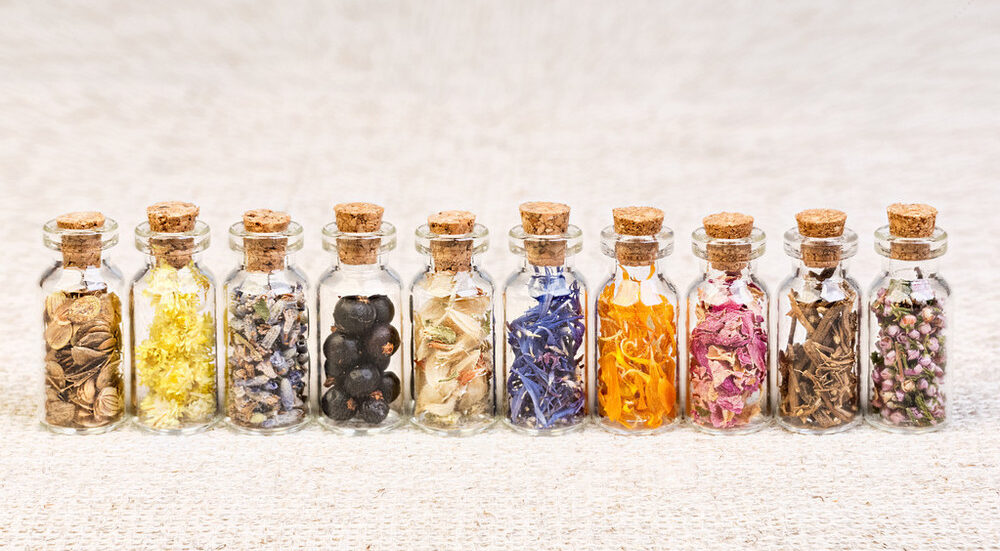
Traditional Chinese Medicine (TCM) categorizes abnormal vaginal discharge into several types based on underlying conditions:
- Liver Heat: Characterized by excessive yellow discharge with a foul smell, often accompanied by yellow-coated tongue and prolonged or heavy menstrual periods. Treatment typically involves clearing liver heat using herbs like gentian, phellodendron, euryale seed, yam, ginkgo nut, and plantain seed.
- Damp-Heat: This type involves thick yellow discharge, possibly with blood streaks and a strong odor, along with constipation and sometimes fever and lower abdominal pain. Cooling and damp-expelling herbs such as angelica, peony, rehmannia, moutan bark, phellodendron, and cyperus are used.
- Spleen Deficiency and Dampness: Manifests as abundant white discharge without odor, along with cold intolerance and frequent urination. Spleen-strengthening and dampness-resolving herbs like atractylodes, yam, ginseng, bupleurum, and plantain seed are recommended.
- Kidney Deficiency: Long-term, copious white discharge accompanied by symptoms like back and knee soreness, dizziness, and tinnitus. Treatment aims to nourish the kidneys and enrich essence, using herbs like cornus, processed rehmannia, eucommia, and euryale seed.
Tips for Maintaining Healthy Vaginal Discharge
Maintaining a healthy vaginal discharge doesn’t typically require treatment, especially during ovulation and just before or after menstruation. Avoid unnecessary medications or antibacterial treatments which can disrupt natural flora, leading to issues like yeast infections. Here are some everyday tips to promote vaginal health:
- Wear loose cotton underwear and change them daily.
- Clean the external genital area daily with plain water and avoid prolonged baths.
- Change promptly after swimming or exercise to prevent moisture build-up.
- When using the toilet, wipe from front to back to avoid spreading bacteria from the anus to the vagina.
- Clean genitalia before and empty the bladder after sexual activity to prevent infections.
- Maintain a regular routine, stay calm, and opt for a light, healthy diet.
By understanding and attending to vaginal health, and considering the holistic approaches of TCM when necessary, women can maintain their reproductive health effectively.
Disclaimer: The information provided on this site is for informational purposes only and is not intended as a substitute for advice from your G.P. or regular healthcare professional. You should not use the information on this site for the self diagnosis or treatment of any health problem, or the prescription of any medication or treatment. You should consult with your regular G.P. before undertaking any changes in your healthcare regime or medication. You should not stop taking any current course of medication without first consulting the prescribing physician.